When Climate analysts started seeing the data shift in late 2025, they knew something big was brewing. By early 2026, it became clear: a potentially historic “super” El Niño eventCalifornia is developing faster than anyone predicted. For residents of the Golden State, this isn't just about wet socks—it’s a stark warning that the winter of 2026–2027 could bring severe flooding, intense storms, and a dramatic shift in daily life.
The twist? This isn't your average rainy season. We’re looking at conditions reminiscent of the massive 1982–1983 and 1997–1998 events. The ocean temperatures in the equatorial Pacific are spiking, and the atmospheric signals are aligning with terrifying speed. Here’s what you need to know before the first snowflake falls.
The Science Behind the Storm Surge
To understand why we’re bracing for impact, you have to look at the engine driving it all: the National Oceanic and Atmospheric Administration (NOAA) calls it the El Niño–Southern Oscillation, or ENSO. Think of it as a seesaw. When the warm phase—El Niño—kicks in, sea surface temperatures in the central and eastern Pacific rise by at least 0.5 °C above normal.
Right now, that seesaw is slamming down hard. Updated model runs from major agencies show the warming intensifying much quicker than older projections suggested. Subsurface waters are hotter than usual, and trade winds are shifting. It’s a perfect storm setup. Experts aren’t using the term “super El Niño” lightly; it’s an informal label for events that rival those historic decades-past occurrences. And if current trends hold, we might be heading straight into that territory by December 2026.
What California Can Expect
So, what does this mean for your commute, your backyard, and your insurance premiums? A lot.
The primary driver here is the subtropical jet stream. During a strong El Niño, this high-altitude river of air becomes hyperactive. It scoops up moisture from the Pacific Ocean and dumps it directly onto Southern California, the desert Southwest, and the northern Gulf Coast. Model maps for December 2026 and January 2027 paint a vivid picture: way above-normal rainfall.
One analyst described the signal as “gigantic,” noting that multiple models consistently show enhanced precipitation. For California, this translates to a “very very busy winter.” While some welcome the drought relief, the volume of water poses serious risks. Flooding, mudslides, and infrastructure strain are top concerns. If you live in flood zones or near dry riverbeds, pay attention. The rain won’t just fall; it will pour.
A Global Ripple Effect
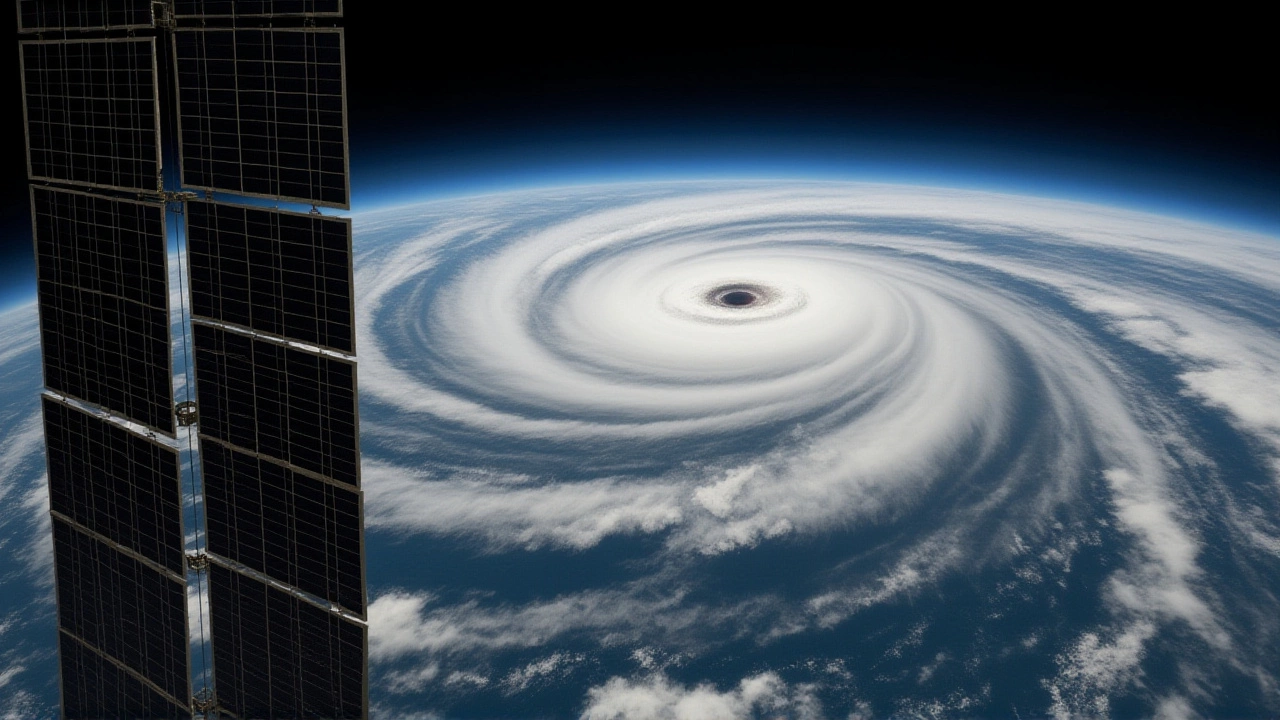
While California braces for deluges, other parts of the world face opposite extremes. This is the nature of teleconnections—how climate patterns in one region affect another thousands of miles away.
- The Southeastern U.S.: Florida and the deep South are in for a rough ride. Models predict “way above normal rainfall” through Florida in December 2026. The risk? Severe weather. From November through early March, expect higher potential for tornadoes and damaging winds. It’s a classic “calling card” of El Niño winters.
- The Atlantic Ocean: Surprisingly, hurricane activity might dip. The European Centre for Medium-Range Weather Forecasts (ECMWF) seasonal model predicts 12.9 named storms (let’s say 13) compared to the average of 14.5. Why? El Niño increases wind shear, which tears hurricanes apart before they can fully form.
- South America: Peru, Ecuador, and northern Chile typically face severe flooding during strong events. Meanwhile, the Amazon basin often suffers from a “pretty ugly drought.”
- Australia: Down under, it’s dry and dangerous. As the warmth shifts eastward, Australia loses its convective thunderstorms. This leads to drought, heightened wildfire risk, and potential record heatwaves.
Why This Matters Now
You might be thinking, “It’s still months away.” But preparation takes time. Infrastructure repairs, emergency kit updates, and insurance reviews don’t happen overnight. The difference between a manageable rainy season and a disaster lies in readiness.
Historically, super El Niños have caused billions in damages. The 1997–1998 event alone cost over $33 billion globally. With climate change adding fuel to the fire, the intensity of these events is only likely to increase. The details on exact peak dates are still evolving, but the trajectory is clear.
Key Facts at a Glance
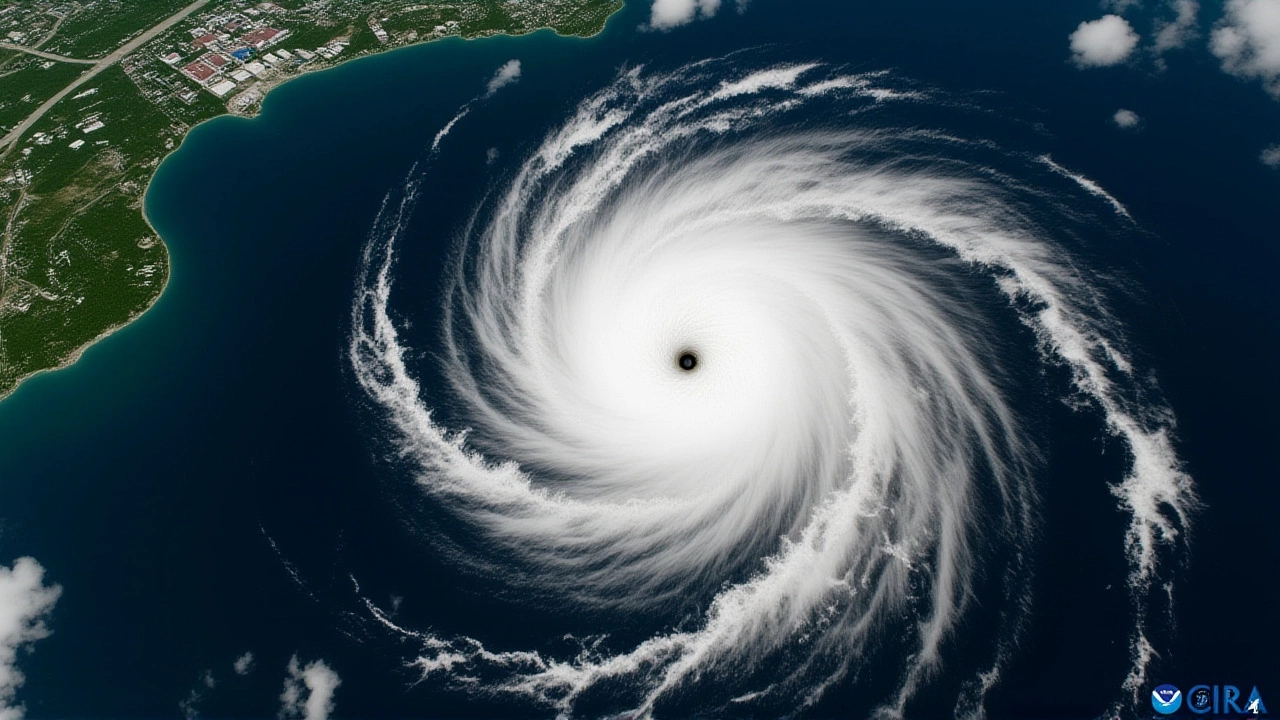
- Event: Potential “Super” El Niño peaking late 2026/early 2027.
- Primary Impact Zone: Southern tier of the U.S., including California and Florida.
- Weather Pattern: Intensified subtropical jet stream bringing heavy rain.
- Hurricane Forecast: Below-average Atlantic activity (~13 storms vs. 14.5 avg).
- Risk Level: High for flooding in CA/SW US; high for severe weather in SE US.
Frequently Asked Questions
When will the El Niño effects hit California?
Model projections indicate that impacts will begin to intensify in December 2026 and peak around January 2027. However, atmospheric changes can start influencing weather patterns as early as late autumn, so vigilance should begin in November.
Will there be more or fewer hurricanes in the Atlantic?
Fewer. The European Centre for Medium-Range Weather Forecasts predicts approximately 13 named storms, which is below the climatological average of 14.5. Strong El Niño conditions create vertical wind shear that disrupts storm formation in the Atlantic basin.
Is this considered a "Super" El Niño?
Experts are using the term informally to describe an event that may reach the intensity of the historic 1982–1983 or 1997–1998 episodes. Current models suggest rapid intensification, placing it in the “strong” to “very strong” category, which justifies the cautious “super” label.
How does El Niño affect Australia?
Australia typically experiences the opposite effect. As warm water shifts toward the Americas, Australia faces reduced rainfall, increased drought conditions, higher wildfire risks, and potential record-breaking heatwaves during the event.
What specific risks should Californians prepare for?
Residents should prepare for significant flooding, especially in low-lying areas and near rivers. Mudslides are a major concern in fire-scarred regions due to saturated soil. Additionally, power outages from storm damage are likely given the “busy winter” forecast.